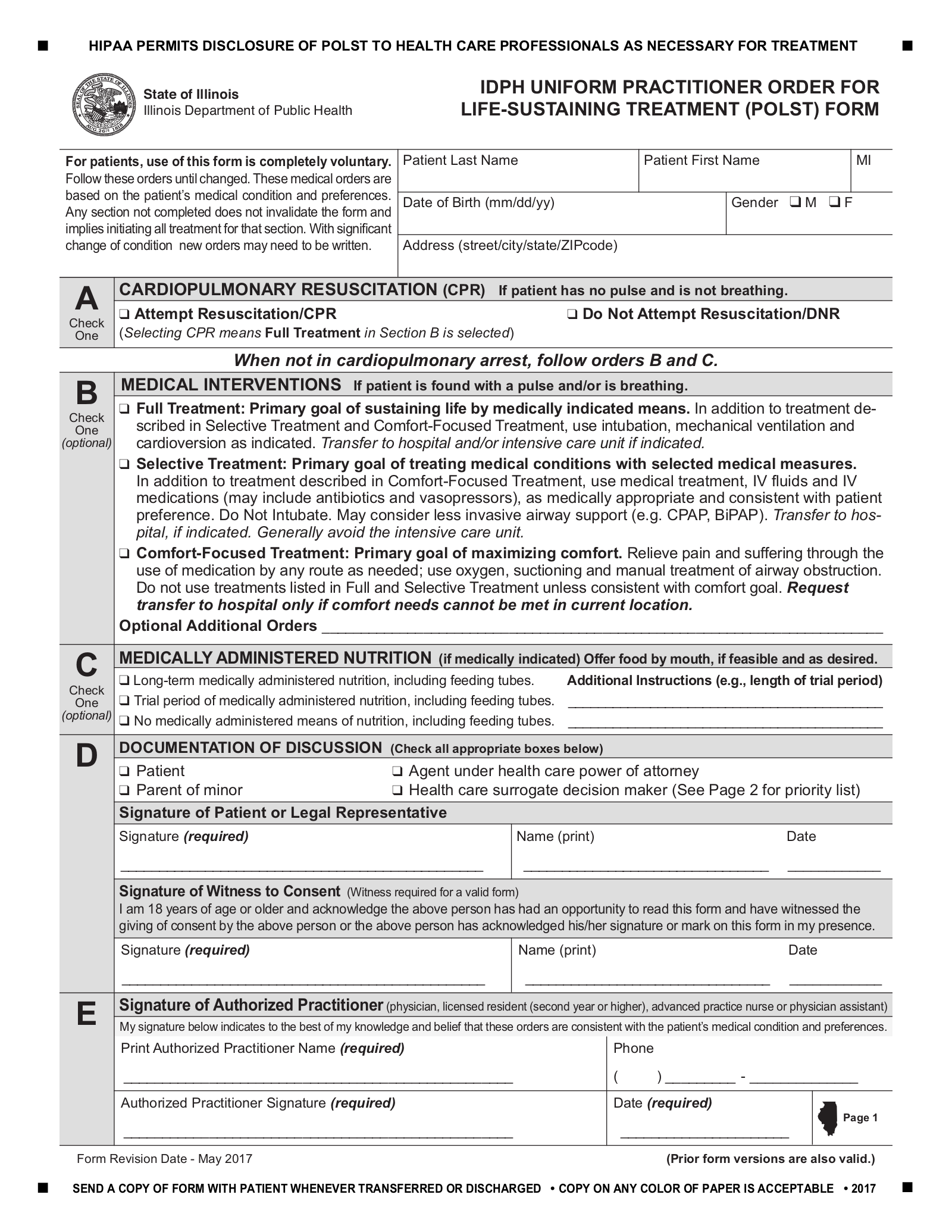
A do-not-resuscitate order (DNR) is a set of guidelines that inform your medical care group what sort of care you do and don’t desire at the end of your life. This is a legal and clinical file, and it ensures that your end-of-life healthcare lines up with your beliefs, needs and desires as carefully as feasible.
Summary
What is a do-not-resuscitate order?
A do-not-resuscitate (DNR) order is a type of advance regulation. Having a DNR order implies you don’t desire treatments like cardiopulmonary resuscitation (CPR) utilized on you if your heart or breathing stops.
Under regular conditions, healthcare providers will do everything they can to try to save your life. That can include mouth-to-mouth resuscitation and other therapies like:
- Intubation and placing you on a ventilator (mechanical air flow)
- Using a defibrillator to attempt and “shock” your heart right into a typical rhythm
However suppose you’re already very ill or have a terminal disease? That’s where DNR orders come in. They can assist if you desire any one of the following:
- To limit any pain or experiencing you have as you near fatality
- To preserve your dignity at the end of your life
A doctor normally creates a DNR order after a discussion with you and/or any lawful decision-makers or loved ones you want existing. Depending upon the legislation where you live, a DNR is just legitimate if composed by a physician (MD or DO) or one more specified kind of medical care professional.
Preferably, you ‘d have a do-not-resuscitate order prepared prior to an emergency takes place.Read about tennessee dnr walkthrough At website The order informs doctor not to attempt CPR if your heart quits defeating or your breathing quits. The carrier that creates the order includes it to your clinical graph for various other physician to see.
What are the kinds of DNR?
Most of the moment, a DNR describes mouth-to-mouth resuscitation and relevant treatments like making use of a defibrillator. Yet there are various other, similar orders that are extra details. And occasionally, the law where you live can affect the types of available DNRs. Some examples of different DNR types include:
- Do not try resuscitation (DNAR). This is primarily the same as a DNR. However some places or health care organizations utilize this term instead.
- Allow Natural Fatality (AND). This lets suppliers utilize treatments that keep you as comfy as feasible. The goal below is to stop suffering as you pass away.
- Do not intubate (DNI). This allows suppliers understand you would not want positioning of a breathing tube or to be on a ventilator if you can’t breathe on your own.
- Specified DNRs. These are tailored DNRs. For example, you may define that you don’t desire CPR. However doctor can still utilize other therapies, like a defibrillator, to try to save your life.
- Comfort care orders. These may specify what kind of treatment suppliers can use near completion of your life. They likewise connect your dreams in the context of keeping you as comfy as feasible as your life finishes.
There might be various other variations or sorts of DNRs readily available depending on where you live and your situation. Your healthcare provider can inform you a lot more regarding your choices.
If CPR saves lives, why would any person desire a DNR order?
Some individuals with incurable illnesses or serious clinical conditions could not want to go through mouth-to-mouth resuscitation, even if that suggests they may die because of this. Determining to have a DNR order can empower you by making you feel a lot more in control of your very own life.
Although CPR can conserve lives, it isn’t 100% successful. And for people that are really unwell or have particular problems, the probabilities of success can be a lot lower. It’s additionally usual to have agonizing injuries from mouth-to-mouth resuscitation, like damaged ribs and sternum fractures.
Added Common Questions
Exactly how do I make my dreams understood about a DNR?
Speak with your medical care service provider or the primary service provider leading your treatment group. Your doctor will talk about the advantages and dangers of mouth-to-mouth resuscitation and relevant types of care. This is suggested to be an honest discussion with you concerning just what you desire. Enlightened permission is vital in these discussions so you can make a choice based on all the truths and your personal preferences. And if you require to consider it or speak about it further with loved ones, it’s fine to inform your service provider that. It’s likewise usual for healthcare providers to inquire about a DNR order throughout office check outs or when you’re confessed to the hospital.
Once you have a DNR, your supplier can file it with your medical record. They can additionally give you a copy to bring with you. You can likewise locate wearable clinical ID bracelets that inform very first responders that you have a DNR.
What if I can’t decide regarding a DNR myself?
If you’re subconscious because of an ailment or injury, or incapable to make an informed decision for any other reason, you won’t be able to mention your wishes regarding a DNR. If you currently have a DNR and it’s in your medical record, your enjoyed ones can not bypass it.
If you don’t yet have a DNR, you may call somebody to promote you, such as your power of attorney or other healthcare proxy. If you have not named a health care proxy, a family member can sometimes make medical choices for you when you’re not able to make decisions yourself. Which family members can choose for you varies by state.
What happens if I alter my mind after a DNR order is written for me?
You always have the right to transform your mind when it come to your DNR. If you do alter your mind, tell your healthcare provider instantly so they can note the modification in your medical record. You ought to also quit lugging any kind of wearable products like ID bracelets and damage any kind of paper copies you have.
Tell your loved ones and various other caregivers that you’ve transformed your mind and your DNR is no longer what you want.
What happens if you resuscitate a DNR client?
DNR orders only relate to doctor that recognize (or should sensibly understand) regarding it. If a doctor does not know about your DNR or there’s a miscommunication, they will not necessarily enter problem.
However if your healthcare provider resuscitates you and they learn about your DNR, they can encounter lawful repercussions. They can additionally face effects if they don’t find out about your DNR because of neglect.
Nonmedical experts can’t get involved in any type of kind of legal trouble for performing CPR on a person with a DNR. If you’re trained in CPR, you must attempt it on a person experiencing heart attack. However if a situation develops where you recognize that the individual has a DNR, you need to respect their desires not to be resuscitated.
How does a DNR impact my care if I’m having surgery?
If you have a DNR and need to go through surgery, be sure to talk about your DNR with your doctor and your anesthesiologist. They can tell you much more regarding exactly how your DNR may impact any kind of part of your surgery or treatment.
Sometimes, your anesthesiologist, surgeon or both might ask you to suspend your DNR throughout your surgical treatment. That’s because several of the routine parts of surgery, especially general anesthesia, might contravene your DNR. If you have any type of questions about this, don’t wait to ask your cosmetic surgeon or anesthesiologist. Making sure they recognize your issues is an essential part of seeing to it you get care that lines up with your needs and wishes.